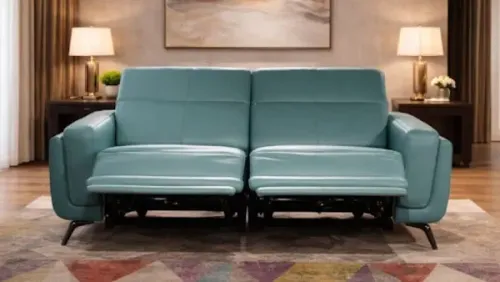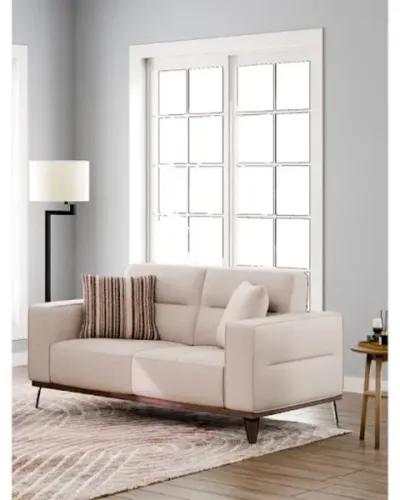
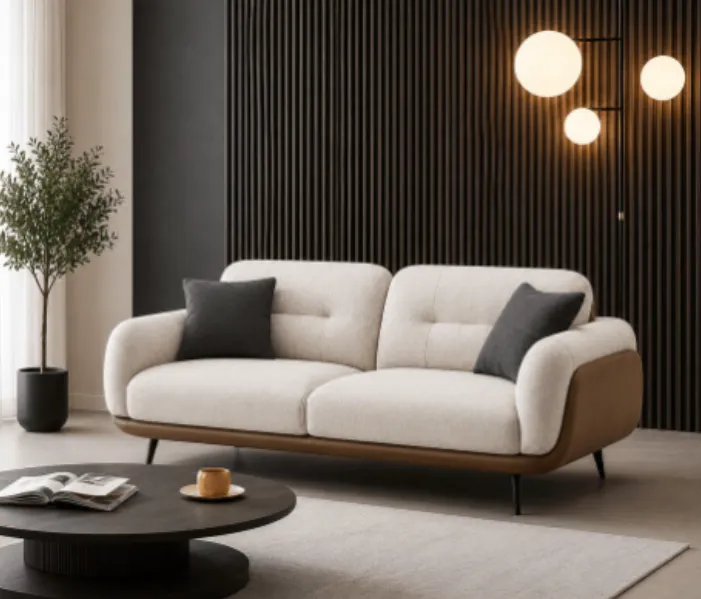
Choosing furniture for a modern home is no longer only about filling an empty room. Homeowners increasingly want furniture that adapts to changing routines, accommodates guests, uses available space efficiently, and remains comfortable for everyday living. This is where a Modular Sofa in Nashik can be particularly useful.
A modular sofa is made from individual seating sections that can be arranged in different configurations. Unlike a conventional fixed sofa, its layout can often be modified as the room, family needs, or interior arrangement changes.
For homes in Nashik, Maharashtra, where apartments, villas, and renovated properties can have very different living-room dimensions, this flexibility can make furniture planning easier.
What Makes a Sofa Modular
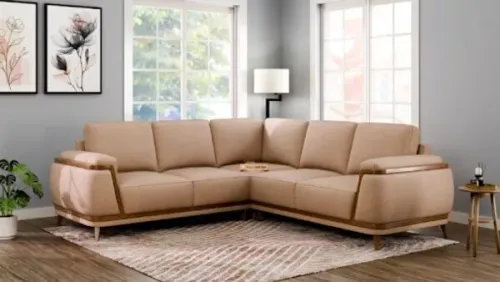
The defining feature of modular seating is its sectional construction. Depending on the design, a modular arrangement may include:
- Single-seat sections
- Corner units
- Armless modules
- Chaise sections
- Ottomans
- Extended seating modules
These pieces can be combined to create a compact arrangement for a smaller living room or a wider seating layout for a larger family space.
The advantage is not simply visual. Modular furniture allows homeowners to think about how people actually move through and use a room.
Start With the Available Floor Space
Before selecting a modular sofa, measure the room rather than estimating its dimensions.
Record the usable wall length, room width, door positions, window openings, electrical points, and major circulation paths. Also consider other furniture such as television units, coffee tables, side tables, and storage cabinets.
A large sofa can technically fit inside a room while still making the room uncomfortable to use. Adequate walking space around the seating arrangement is therefore essential.
Marking the proposed sofa dimensions on the floor with masking tape is a simple way to understand its actual footprint before ordering.
Consider How the Sofa Will Be Used
Different households need different seating arrangements.
A couple in an apartment may prefer a compact modular configuration with an ottoman. A larger family may need additional modules for everyday seating. People who frequently entertain guests may value a layout that encourages conversation rather than simply facing the television.
Ask practical questions such as:
- How many people normally use the sofa?
- Is television viewing the main activity?
- Are guests entertained frequently?
- Is lounging important?
- Could the room layout change later?
These answers help determine the appropriate configuration.
Pay Attention to Seat Comfort
Appearance matters, but comfort determines whether a sofa works well over the long term.
Seat depth should suit the people who will use the sofa regularly. Deep seats can be comfortable for lounging, while moderate depths may provide better support for upright sitting.
Backrest height, cushioning firmness, armrest position, and seat height also influence comfort.
Whenever possible, evaluate the sofa from a normal sitting position rather than judging it only by photographs.
Choose Upholstery for Your Lifestyle
Fabric selection should reflect daily use.
Homes with children or frequent visitors may benefit from durable upholstery that is relatively easy to maintain. Texture and colour should complement the room while remaining practical for everyday conditions.
Neutral shades can provide flexibility when interior décor changes. More distinctive colours can make the sofa a focal point, particularly in rooms with restrained wall and flooring finishes.
Nashik's climate and normal household dust conditions also make routine upholstery maintenance worth considering before selecting a fabric.
Look Beyond the Exterior
The quality of a sofa depends significantly on components that may not be immediately visible.
Frame construction influences structural stability. Cushion materials affect comfort and how well seats retain their shape. Stitching, joints, support systems, and upholstery finishing influence durability.
When evaluating a sofa, ask about these elements rather than making a decision based only on external appearance.
Plan for Future Changes
One of the strongest reasons to consider modular furniture is adaptability.
A family may move to another property, redesign the living room, add seating, or change how the room is used. Modular sections can provide more possibilities than a completely fixed sofa.
Stellarfurn works with customers looking for furniture suited to different residential requirements in Nashik. Discussing room dimensions, preferred configuration, upholstery, and expected usage before finalizing a sofa can help create a more practical result.
A well-planned modular sofa should make the room easier to live in, not merely look impressive when first installed. The best configuration is one that balances available space, seating capacity, movement, comfort, and the possibility of future changes.
Keywords