A window treatment must fit the room’s light, privacy, heat, furniture, and maintenance demands—not just match a fabric sample. By comparing treatment types, specifying fabric performance, measuring accurately, and coordinating the finished installation, you can choose a design that looks intentional and works reliably in Nashik’s changing climate.
Key takeaways
- Match sheer, dimout, or blackout fabric to the room’s light and privacy needs.
- Measure the window, wall, sill, and obstacles before approving curtain dimensions.
- Specify fabric weight, opacity, fullness, lining, heading, and hardware in writing.
- Coordinate curtain colour, pattern, rods, tracks, and furniture as one composition.
Choose the Window Treatment for the Room’s Actual Job
Choose the treatment by the room’s job: control glare in an office, protect sleep in a bedroom, or frame a wide opening without obstructing movement.
| Treatment | Best match | Privacy and light job |
|---|---|---|
| Roman curtains | Bedrooms, living rooms, bay windows, and flat, shallow openings | Soft appearance with adjustable privacy; add lining for stronger light control |
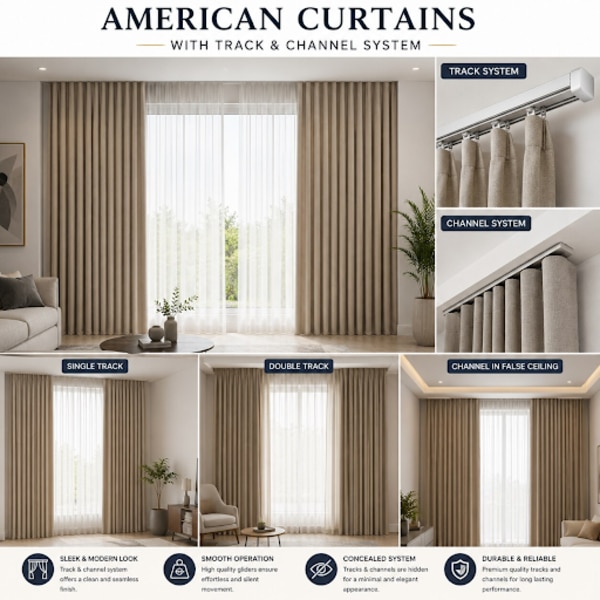
| American curtains | Living rooms, bedrooms, hospitality spaces, and tall windows | Full-length coverage, flexible privacy, and a formal or relaxed finish |
| Roller blinds | Kitchens, offices, narrow windows, and clean-lined interiors | Precise daytime glare control; select room-darkening fabric for sleep |
| Venetian blinds | Offices, kitchens, bathrooms, and shallow recesses | Tilted slats direct daylight while limiting views into the room |
| Vertical blinds | Wide windows and sliding or folding doors | Panels stack aside and preserve the passage; angle them for privacy |
| Blackout blinds | Bedrooms, nurseries, media rooms, and guest rooms | Blocks most daylight when paired with side channels or overlapping edges |
Roman curtains suit a bay only when each section is measured separately; one wide blind can bind or leave gaps. Roller blinds fit square or narrow openings, while Venetian blinds handle shallow recesses and irregular privacy demands.
For large sliding doors, use vertical blinds or curtains on a track that clears the opening. A dark fabric alone does not create blackout: light can enter above, below, at the sides, and between panels.
Specify curtain quantity from the finished track or pole width, not the glass width. Start with 1.5 to 2.5 times fullness, then confirm the heading and stack space.
Match Fabric Weight and Opacity to Light, Privacy, and Heat
A dark colour does not make a curtain blackout. Fabric weight and weave determine how much daylight passes through, how softly the fabric hangs, and whether the room feels cool and restful or bright and exposed.
A dense weave reduces glare; a lining adds body, improves drape, and strengthens privacy without forcing you into a heavy-looking design.
| Light-control level | Appearance and comfort | Suitable use |
|---|---|---|
| Light-filtering | Softens daylight while preserving a bright, open feel | Living rooms, offices, and spaces where you want privacy without losing natural light |
| Room-darkening | Cuts stronger glare and creates deeper shade, but does not guarantee darkness | Bedrooms, media rooms, and west-facing windows |
| Blackout window coverings | Block nearly all light when the fabric and installation are correctly specified | Sleep rooms, nurseries, presentation rooms, and hospitality spaces |
Treat heat control as a window-assembly decision, not a fabric-swatch decision. Glazing and sun exposure change the result, while an outside-mounted treatment can stop more solar load before it reaches the glass than an inside-mounted one. Ask for performance guidance based on the actual window, not a showroom sample alone.
For true blackout performance, seal the installation as well as choosing opaque fabric. A close-fitting top treatment and side returns reduce leakage; a centre overlap and minimal gap below the sill prevent bright lines that undermine an otherwise dark room.
Measure the Opening Before You Approve a Design
A precise window measurement prevents light gaps, dragging hems, shallow stacking, and brackets that pull out under load. Measure the opening and the installation zone, not just the glass.
1. Record the width at the top, middle, and bottom, then use the smallest figure for an inside mount. Measure the height at both sides and the centre, using the shortest drop. Note the recess depth, handle projection, sill, ventilation grille, and any obstruction that could stop the blind or curtain from closing.
2. Choose an inside mount only when the recess is deep and square enough for the headrail or track. Choose an outside mount when you need to cover an uneven opening, reduce edge gaps, or clear handles; extend the fabric beyond the opening and specify overlap at both sides.
3. For curtains, calculate fabric from the finished track or pole width, not the window width. Allow roughly 1.5 to 2.5 times fullness, then check the stackback so drawn curtains do not cover the glazing or door opening.
4. Ask the quotation to separate finished dimensions from cut dimensions and state tolerances for width, drop, hem, heading, and installation. Floor-to-ceiling curtains need exact finished-floor clearance; a small error causes puddling or drag.
5. Confirm bracket positions, end returns, and fixing type against the substrate: concrete, masonry, timber, gypsum board, or a suspended ceiling. Heavy lined or motorised curtains need structural anchors, not ordinary wall plugs. Keep chains and cords secured with approved tension devices.
Coordinate Colour, Pattern, Fullness, and Hardware as One Composition
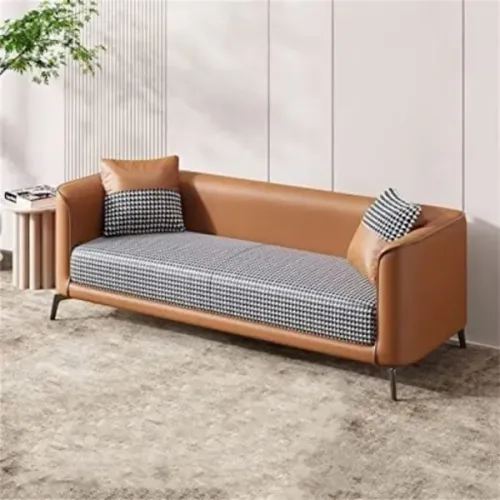
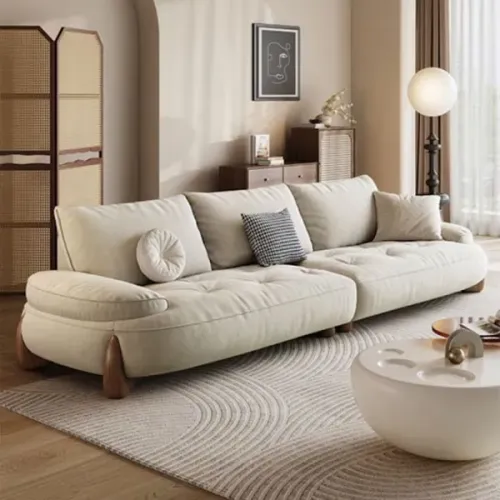
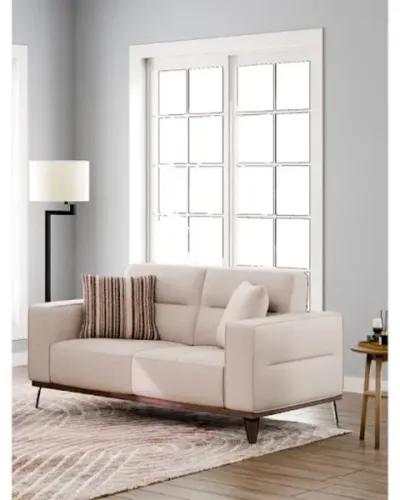
Treat the window as part of the room’s visual structure, not an isolated accent. Repeat one colour from the upholstery, rug, wallpaper, or furniture, then introduce contrast through fabric texture or a single pattern; matching every surface creates a flat, over-designed result.
Use these relationships to set the composition:
- Match curtain colour to the wall for a quiet, larger-looking room; choose a darker or lighter version of the same tone when you want definition.
- Keep pattern scale proportional to the room and furniture: large motifs suit generous rooms, while small prints prevent compact spaces from feeling crowded.
- Use vertical stripes or uninterrupted drops to lift a low ceiling. Mount the curtain track close to the ceiling and take the fabric to the floor.
- Let flooring remain the visual anchor when it has strong grain, stone movement, or a bold rug. Choose a quieter curtain in that case.
- Balance ornate furniture or wallpaper with plain fabric; pair restrained interiors with texture, a border, or one controlled motif.
Calculate curtain fullness from the finished curtain track or pole width, not the glass width. Begin at 1.5 to 2.5 times that width, then confirm how the heading style changes fabric use and stacking depth. Wave headings need a compatible track and carrier spacing; a standard channel is not automatically suitable.
Select brackets for the substrate and load. Heavy lined curtains and motorised tracks need stronger fixing than lightweight sheers, especially across wide openings.
Turn a Showroom Choice into a Performance Specification
Before you approve a showroom sample, convert its appearance into a written performance specification. A premium-looking fabric can still fade, shrink, pill, snag, retain dampness, or become expensive to clean.
1. Record the durability evidence. Ask for the abrasion method and endpoint, such as ISO 12947-2 Martindale cycles, plus results for colourfastness, shrinkage, pilling, and snagging. A cycle figure is not a universal pass mark; seams, pile direction, and commercial use affect service life.
2. Specify cleanability. Get the exact cleaning code, approved detergent, washing temperature, drying method, and whether the lining or blackout backing can be cleaned separately. For removable upholstered covers, confirm accessible zips, replaceable foam or webbing, and documented cleanability before approval.
3. Demand fire documentation for the supplied fabric. Request the test report, named method, classification, fabric construction, and result after the stated cleaning cycle. “Fire-retardant” or NFPA 701 alone does not prove compliance with every hotel or local building specification.
4. For motorisation, write down motor voltage, control type, power point location, noise limit, manual override, remote or smart-home compatibility, and warranty responsibility. Confirm who handles programming and repairs.
5. In Nashik’s monsoon, specify ventilation and a drying regime. Lining and blackout backing can hold moisture against a poorly ventilated wall, causing odour, mildew, or backing failure.
If you compare options from Stellarfurn, ask the team to place these details in the quotation, alongside fabric code, colour, dimensions, fullness, lining, tracks, installation, taxes, lead time, warranty, and exclusions. Do not approve a verbal total.
Related products
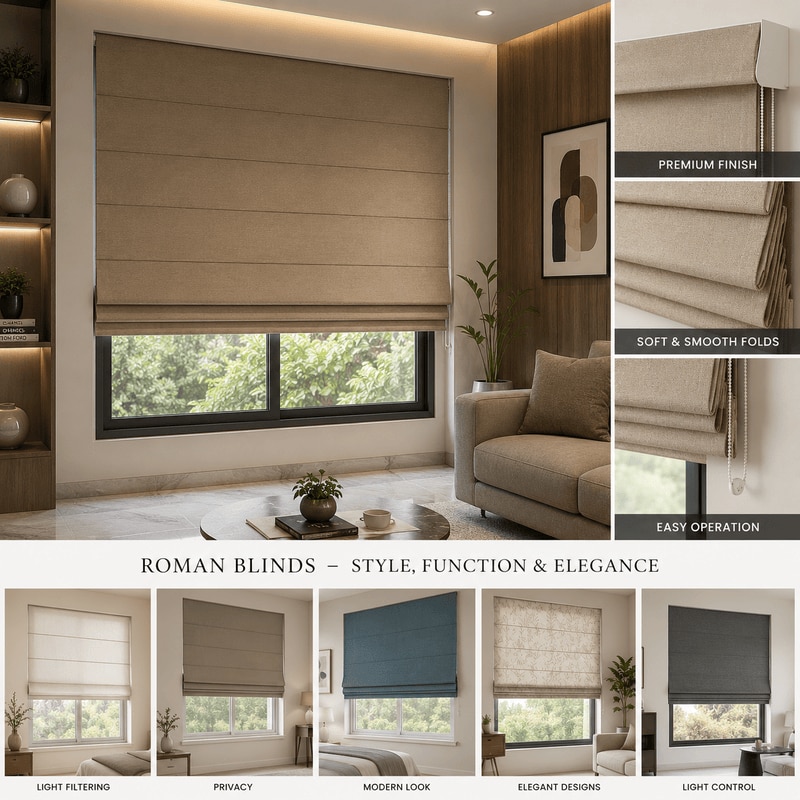 | Curtain / Blind Roman "Add elegance to any room with Stellarfurn Roman curtains. Stylish, durable, and customizable fabric curtains that blend sophistication with... |
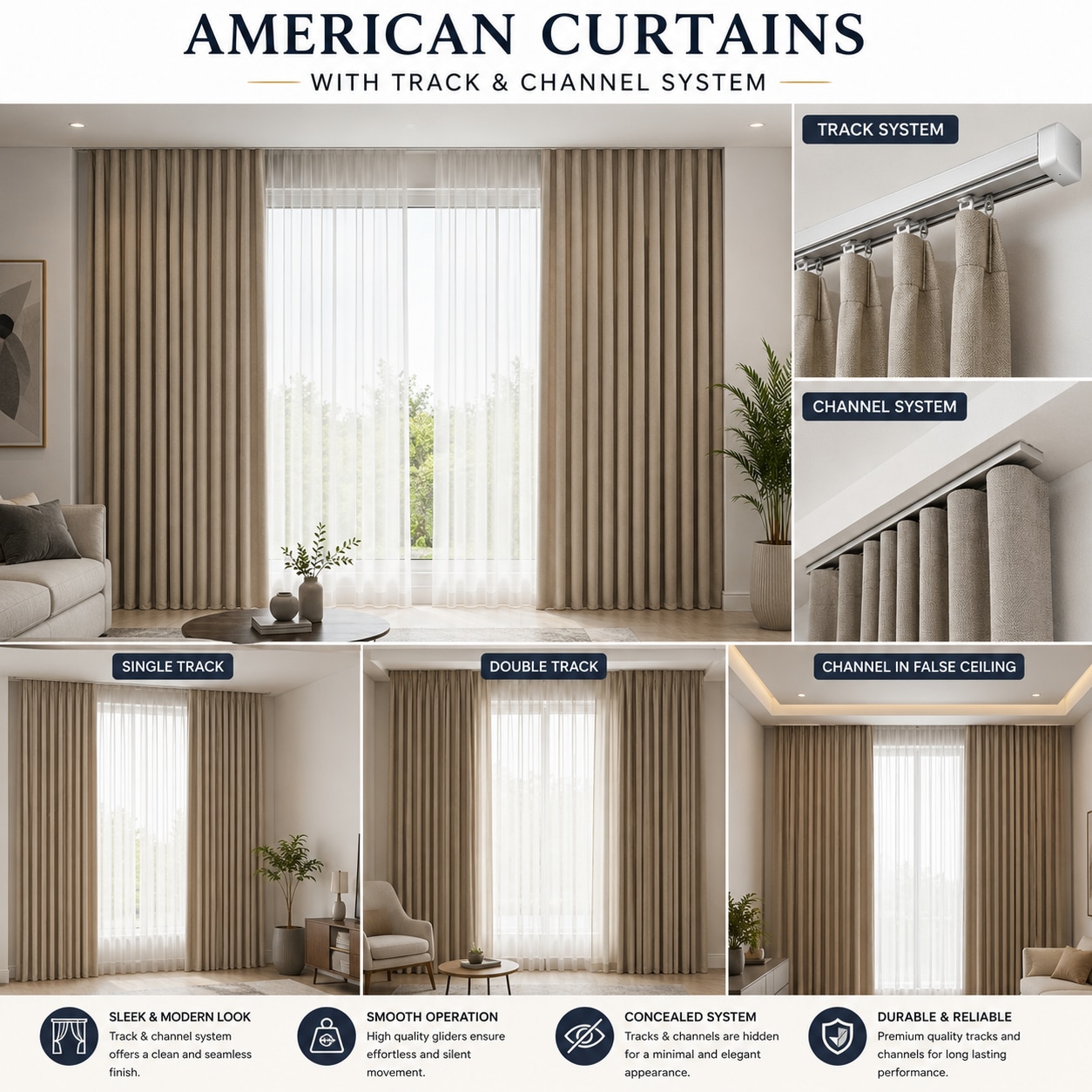 | Curtain / Blind American “Stylish and versatile American curtains from Stellarfurn. Perfect for homes and offices, offering elegance, durability, and easy customization to... |
Frequently asked questions
How do you choose a window treatment for each room?
Choose glare control for offices, sleep protection for bedrooms, and easy movement for wide openings and high-traffic spaces.
How do fabric weight and opacity affect curtain performance?
Sheer fabrics diffuse light without providing full privacy, while dimout and blackout fabrics provide progressively stronger light control and privacy.
What should you measure before ordering curtains?
Measure the window width and height, wall space, sill depth, ceiling height, and any handles, radiators, furniture, or doors that could obstruct the treatment.
What should a curtain performance specification include?
Record the fabric composition, weight, opacity, lining, dimensions, fullness ratio, heading style, hardware, colour, pattern direction, and installation requirements.
Related products
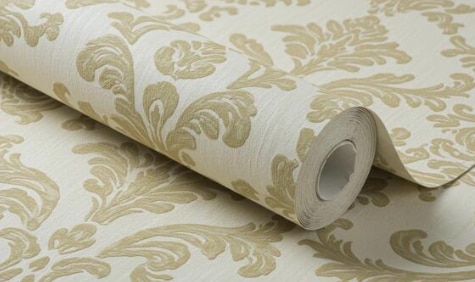 | Wallpaper Stellarfurn offers premium-quality wallpaper designed to elevate your interiors with elegance and style. View product → |
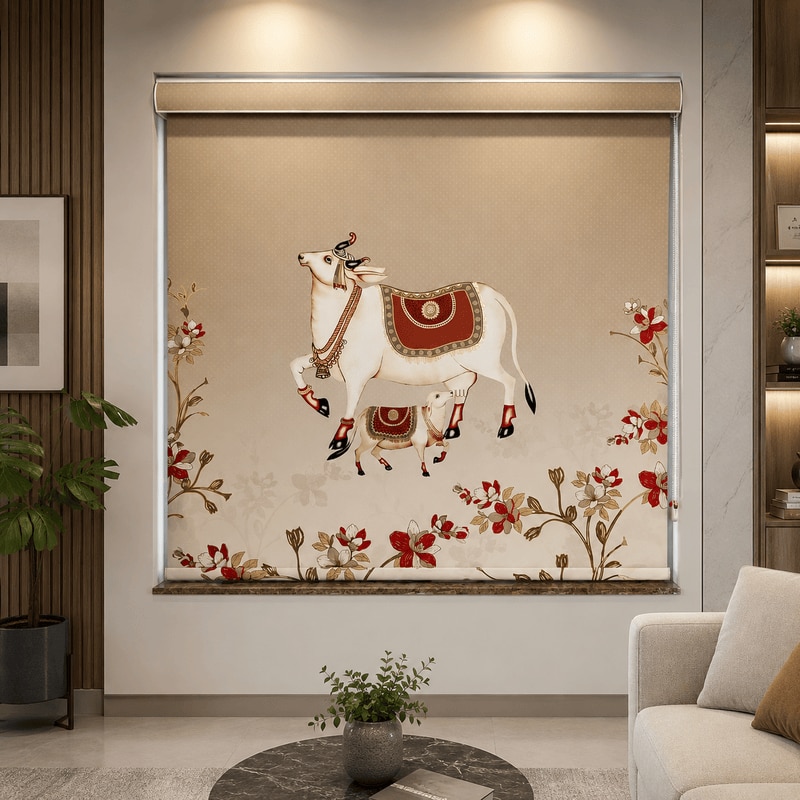 | Curtain / Blind “Discover premium window blinds at Stellarfurn – stylish, durable, and customizable solutions for every home and office. View product → |
 | Chair Stellarfurn is a trusted manufacturer of elegant dining chairs, crafted to combine comfort, style, and durability. View product → |
 | Chair Stellarfurn is a trusted manufacturer of stylish accent chairs, designed to add a touch of elegance and personality to any room. View product → |