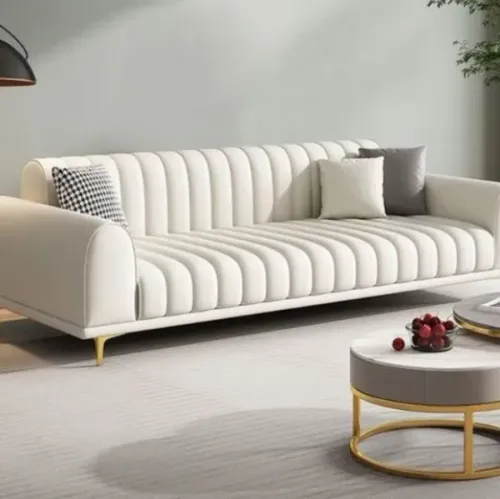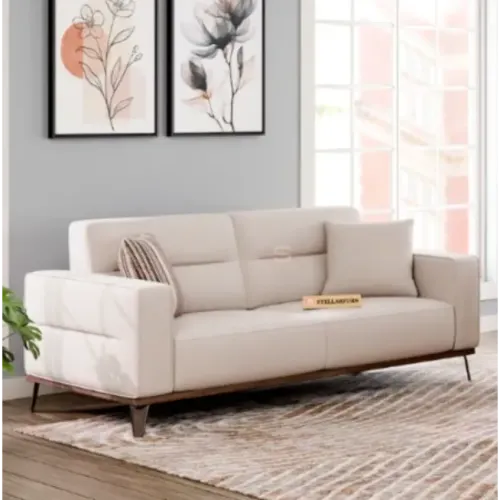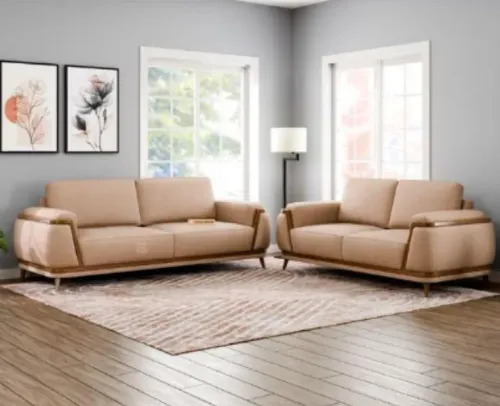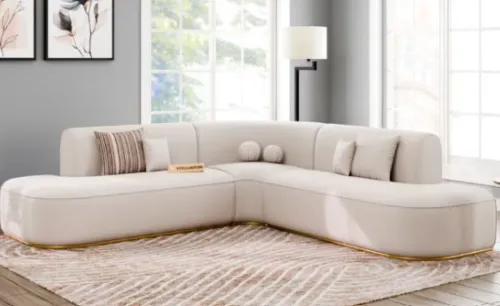


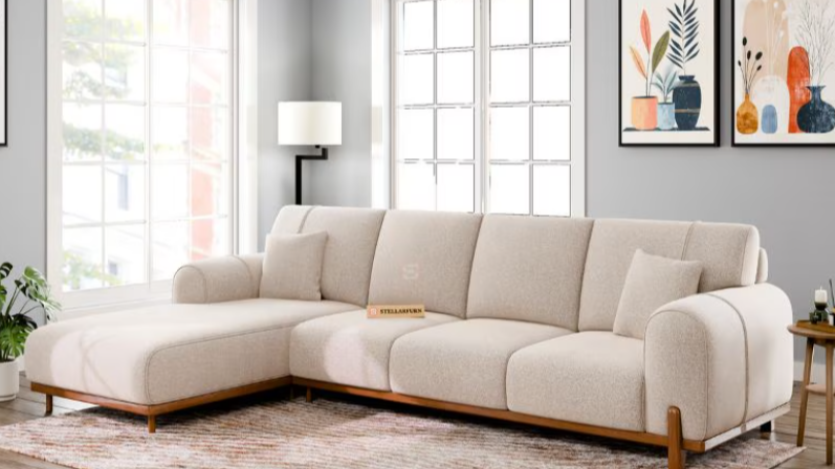
An L Size Sofa in Nashik can make a living room more comfortable and organized when its dimensions and placement are planned correctly. Its extended layout provides generous seating while making practical use of a corner. However, choosing a sofa only by appearance can result in restricted movement, awkward furniture placement, or a room that feels smaller than it actually is.
For homes in Nashik, where living spaces range from compact apartments to larger independent houses, room planning should come before selecting the final sofa design.
Measure the Complete Living Area
Start by measuring the length and width of the room. Then identify the usable wall space rather than assuming the entire wall is available.
Take note of:
- Doors and their opening direction
- Windows and balcony entrances
- Television unit placement
- Electrical points
- Existing tables and storage
- Main walking paths
Measure the proposed sofa's total length and depth as well. An L-shaped configuration extends farther into the room than a conventional straight sofa, so both dimensions are important.
Choose the Correct Orientation
The extended section can usually be positioned on either side depending on the design.
Before finalizing the orientation, consider where people enter the room and how they move toward other areas of the home. The extension should not interrupt access to a balcony, bedroom passage, dining area, or main entrance.
In an open-plan living and dining space, the longer sofa section can sometimes create a natural visual boundary between the two areas.
Maintain Comfortable Walking Space
A common mistake is choosing the largest sofa that physically fits.
Furniture should leave enough open space for people to walk comfortably. Consider clearance around the centre table, side tables, and television area.
You can use masking tape to mark the proposed sofa footprint on the floor. Walking around the marked area gives a much better understanding of how the furniture will affect the room.
Consider Your Everyday Seating Needs
Think about how many people normally use the living room.
A larger family may require more seating, while a couple may benefit from a more compact configuration with additional flexibility for guests.
Also consider how the sofa will primarily be used. Television viewing, conversations, entertaining visitors, reading, and relaxed lounging can require different seat depths and arrangements.
Balance the Sofa With Other Furniture
An L-shaped sofa naturally becomes one of the largest visual elements in the room.
Avoid surrounding it with unnecessarily bulky furniture. A compact coffee table, streamlined television unit, or movable side tables can maintain visual balance.
The objective is to create a complete living environment rather than fitting as much furniture as possible into the available area.
Select Upholstery With the Interior in Mind
Sofa colour should coordinate with flooring, walls, curtains, blinds, rugs, and cabinetry.
Neutral shades provide flexibility when décor changes. Textured upholstery can add visual interest without introducing a strong colour. Darker shades may work well in larger rooms but should be evaluated against the overall lighting and interior palette.
Maintenance also matters, particularly in homes where the sofa receives heavy daily use.
Look at Construction Along With Style
Good room planning should be matched by appropriate furniture quality.
Check frame stability, cushion support, stitching, upholstery finishing, and the connection between different sofa sections.
Stellarfurn works with homeowners looking for furniture suited to different residential layouts in Nashik. Discussing room dimensions and seating requirements before finalizing a sofa can help determine a configuration that suits the actual space.
An L-size sofa works best when it feels like part of the architecture of the room rather than an oversized object placed inside it. Accurate measurements, suitable orientation, comfortable circulation, and balanced proportions can create a living area that remains spacious, practical, and inviting.